New Orleans’s 2022 Eater Awards Winners for Best New Restaurant, Bar, and More
Today, Eater New Orleans announces its winners of the 2022 Eater Awards, celebrating the restaurants that have most impacted New Orleans’s dining scene this year (as well as in Eater’s other cities).
This year’s Eater Awards highlight five standouts that made a mark on New Orleans cuisine in late 2021 and throughout 2022: places that established Caribbean comfort food as an integral part of the city’s cuisine, took vegetables to new heights, and put forth unexpected, genre- expanding renditions of Indian street food, among others. Some of these winners began their journeys in the city’s dining scene as pop-ups; their new restaurants offer fresh confidence in the survival and growth of small, resourceful independent food businesses in New Orleans. Others serve to carry on the best of the city’s traditions, like a neighborhood gathering spot with a convivial but eccentric vibe and a fine dining den that demands celebration.
With that, please join us in celebrating the winners for Restaurant of the Year, Reinvention of the Year, Bar of the Year, Pop-Up-Turned-Restaurant of the Year, and Fine Dining Restaurant of the Year.
Restaurant of the Year
Queen Trini Lisa
:format(webp):no_upscale()/cdn.vox-cdn.com/uploads/chorus_asset/file/24244836/Eater_QueenTriniLisa_Nov2022_062.jpg)
:format(webp):no_upscale()/cdn.vox-cdn.com/uploads/chorus_asset/file/24247182/Eater_QueenTriniLisa_Nov2022_097.jpg)
At a serene corner shop painted with familiar banana leaves in Mid City, Chef Lisa Nelson brings Trinbagonian soul food to what she, and others, call the Northernmost Caribbean city. It may be her first restaurant, but Nelson has been known to New Orleans for years for serving specialties from her native village of Hardbargain, Trinidad at food festivals and markets, as well as through her pop-up and chef collaborations. Nelson’s jerk and curry chicken, coco bread fried fish sandwich, and Caribbean-style spinach are standouts, becoming staples for many New Orleanians since Queen Trini Lisa opened in January. But the unquestionable star of the show is Nelson’s doubles, fried flatbreads spiced with turmeric topped with a curried chickpea filling (it’s vegan), which can be enjoyed for breakfast, lunch, dinner, or a second dinner.
Reinvention of the Year
Bar Brine
:format(webp):no_upscale()/cdn.vox-cdn.com/uploads/chorus_asset/file/24247138/Eater_SneakyPickle_Nov2022_27.jpg)
:format(webp):no_upscale()/cdn.vox-cdn.com/uploads/chorus_asset/file/24247141/Eater_SneakyPickle_Nov2022_35.jpg)
Walk into Bar Brine and feel instantly invigorated by its subtle but warm multi-colored lighting elements, its high-ceilinged, intimate dining room, and a welcoming, vibrant bar — and then prepare to be six colored of the food and drinks. Bar Brine is the nighttime version of Sneaky Pickle, a longtime St. Claude Avenue favorite for vegetarian and vegan-friendly, picnic-style dishes. It was relocated in fall 2021 to a corner Bywater space that had long sat empty and added Bar Brine — a more upscale dinnertime restaurant that offers a notably different vibe from its daytime counterpart. The menu is as invigorating as the space, the beauty in its seeming simplicity — dishes of Hakurei turnips, spaghetti squash, or eggplant; fresh pasta like gnocchi with walnuts and blue cheese, squid ink with crab and daikon, or rice cakes paired with smoked squash and mapo tofu; and a few entrées, featuring products like tilefish, king trumpet mushrooms, or confit goose. A modern wine list of natural and orange varieties, savory and herb cocktails, a rotating frozen drink option that can change the common perceptions of frozen drinks, and some of the best non-alcoholic cocktails around have made it one of the most consistently hot destinations in New Orleans this past year.
Bar of the Year
Velveteen Lounge
:format(webp):no_upscale()/cdn.vox-cdn.com/uploads/chorus_asset/file/24244759/Eater_Velveteen_50.jpg)
:format(webp):no_upscale()/cdn.vox-cdn.com/uploads/chorus_asset/file/24244774/Eater_Velveteen_05.jpg)
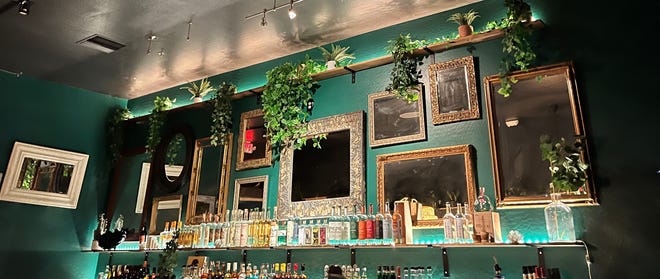
When the Bayou Road neighborhood bar Pirogues closed early on in the pandemic, it was the kind of loss that stirred up a sense of doom. But the new incarnation of the simple corner space, Velveteen Lounge and Restaurant, invoked the reverse — a sense of hope for new, sustainable opportunities in New Orleans’ restaurant landscape that also honors tradition and legacy. The 100 percent worker-owned Velveteen Lounge opened in May 2022, with an eclectic, vintage feel and walls in soothing colors displaying works by local artists — all available for purchase — and a unique bar program. Velveteen has a small menu of straightforward cocktails, but can do just about anything — depending on the drink, however, it might be made with a small spirit brand customers have never seen before. Beers all come in a can or bottle only, and wine options are unexpected for a neighborhood dive — small producers and natural options line the bar, though everything is reasonably priced, including the food: salads, tacos, quesadillas, empanadas, a burger, and more are all $12 and under. It all goes hand in hand with the name: “Velvet is a luxury material,” co-owner Brendan Gordon says. “Velveteen is a knockoff material. Because everyone should be able to have nice things