Where to Eat and Drink at Rockefeller Center

Pebble Bar

Pebble Bar | Photo by Cole Saladino for Thrillist

Pebble Bar | Photo by Cole Saladino for Thrillist

Rockefeller Center is waving goodbye to its reputation as a tourist-only attraction thanks to a million-dollar revitalization project currently underway at the iconic Midtown destination. A new wave of head-turning and big-name–backed eateries and bars is turning The Rock into the city’s latest culinary and nightlife destination.

From highly acclaimed debuts like NARO, by the founders of trailblazing eateries Atoboy and Atomix, and the swanky Pebble Bar to this week’s opening of chef Greg Baxtrom’s latest venture called Five Acres, there are plenty of spots that have New Yorkers reconsidering their stance on these Manhattan blocks.

So if you’re among the crowds who will be dropping by this season to catch a glimpse of the Rockefeller Center Christmas Tree or ice skate at The Rink at Rockefeller Center, we’ve got you covered with some of the coolest spots to eat and drink at Rockefeller Center in NYC right now.

Recent restaurant openings at Rockefeller Center

Crab Cake at Five Acres
Crab Cake at Five Acres | Photo by Signe Birck

Chef Greg Baxtrom showcases his knowledge of fine dining and hyper-seasonal fare with his first Manhattan venture. Named for his family’s five-acre farm outside of Chicago, Five Acres highlights recipes and techniques Baxtrom learned while working at famous restaurants across the country, such as Paragraph in Chicago and Per Se in NYC. At the 65-seat, greenery-covered eatery, locally sourced ingredients are at the center of the all-day menu; Highlights include Delicata Squash Vase (whipped ricotta, prosciutto chips) and Crab Cake (bruleed bone marrow aioli), as well as larger plates like Grilled Guinea Hen (saltify hazelnut tart, juniper). On the beverage program, globally sourced wines are joined by house cocktails like the Vale of Cashmere (reposado, pear brandy, egg white).

21 Green point
21 Green point | Photo by Cole Saladino for Thrillist

Imaginative takes on American comfort classics are the specialty for NYC-native and chef Homer Murray. For his latest project, Murray launches a Manhattan counterpart to his popular Brooklyn-based 21 Greenpoint. Alongside guest favorites like the Cheeseburger, location exclusive plates include the Crunchy Broccoli Salad (apple, cajun pecans) and Open Faced Crab Toast (mayo, lemon, parsley). Drinks-wise there’s specialty cocktails like Homer’s Day Off (tequila, hibiscus), as well as a selection of beer and wine.

Risotto Di Mare at Jupiter
Risotto Di Mare at Jupiter | Photo by Marcus Nilsson

The team behind the popular downtown Italian restaurant King, recently debuted a spacious, 140-seat sibling dubbed Jupiter. Helmed by partners Clare de Boer, Jess Shadbolt, and Annie Shi, as well as executive chef Gaz Herbert (River Cafe in London), the food program features a large all-day menu of regional Italian classics like Beef Sott’olio (chargrilled beef filet, horseradish) and Risotto Di Mare (saffron, whole langoustine, squid), as well as pasta signatures such as Tagliarini al Pomodoro (tomato, marjoram, ricotta). Pair them with an extensive list of predominantly Italian wines as well as house cocktails like the Jupiter Vesper (gin, vodka, fig leaf). Guests can sit within the dining room or opt for a more casual experience at the 12-seater, red-marble bar.

This elegant new French brasserie is from the team behind Tribeca’s highly-lauded Frenchette. At Le Rock, the culinary program is helmed by chef Walker Stern’s (Dover) and offers guests a selection of weekly specials along with permanent Touts Le Temps menu items in a spacious 130-seat eatery. Among the highlights are Steak Haché and Escargots plus elaborate desserts like the Plateau de Dessert (confection stand filled with seasonal treats).

Creative takes on traditional Korean cuisine reign supreme at NARO. Led by the trailblazing team behind eateries Atoboy and Atomix and named after Korea’s first space launch, NARO sheds a contemporary spotlight on hansik (customary Korean food), made using hyper-seasonal ingredients. Led by chef Nate Kuester (Cafe Boulud, BAPBAP), the current multi-course tasting menu features plates like Pyeonyuk (beef shank, tomato, caviar) and King Crab Bibimbap (rice, soybean paste stew, pickled bamboo), alongside desserts like Pear Pavlova (blood orange coulis, pear hibiscus sorbet). For plant-forward diners, a vegetarian tasting menu is also available. Currently, the dining room is reservation only, but the bar is open for walk-ins with an a la carte program.

Rockefeller Martini at Lodi
Rockefeller Martini at Lodi | Photo courtesy of Lodi

Since opening last year, this elevated restaurant/bar has commanded a steady fan base for its classic Italian plates and expert cocktails. Led by chef Ignacio Mattos (Estela, Altro Paradiso), the all-day menu offers from in-house baked breads and croissants to paninis and pastas. Standout dishes include house made Ricotta, Crostini di Fegato (liver pâté), and Salsiccia (pork sausage, turnips). Pair plates with a selection of spritzes, the house Rockefeller Martini, or wine.


Exciting new bars at Rockefeller

Read More

Boilo Is the Most American Yuletide Drink

Boilo mulled drink with all its ingredients

Photo: Chris Hatler

The Pennsylvania coal region isn’t just known as the home of America’s oldest brewery or for its ever-burning underground fire and resulting ghost town. It’s also home to a delicious holiday drink worth adding to your Yuletide repertoire: boilo.

I first tried the stuff at a friend’s bridal shower in Pennsylvania’s Schuylkill (pronounced skoo-kill) County. As the warm autumn afternoon faded into a chilly late-September night, her parents broke out some Crockpots and ladles, pouring everyone willing to hang out in the blustery cold a lowball glass full of the hot, spiced beverage. My palate jumped at what seemed at first to be a familiar, infamous taste—think Fireball—until the citrus fruit and honey aftertaste mellowed my tongue and warmed me in a way the adjacent bonfire couldn’t. I grew up just a few hours away in northwestern New Jersey, but I’d never had anything like it before. What was this drink, and where did it come from?

What is boilo and how is it made?

Boilo is the grandchild of krupnik, the eastern European liqueur that melds strong grain alcohol with clover honey and a blend of herbs and spices. When settlers from countries like Lithuania and Poland emigrated to the Pennsylvania coal counties looking for work, krupnik came with them, evolving over time to incorporate citrus fruits and favor bottom-shelf whiskey over grain alcohol.

There are two widely accepted ways to make it: Crockpot style and stovetop style. Both go something like this: Cut up some peeled oranges and lemons, squeeze them into a pot of waterand toss in the fruit along with it. Add spices of choice: cinnamon, nutmeg, cloves, caraway, and/or anise. Dump in a lot of honey. Let it simmer and cook down. Discard the fruits and spices, then turn off the heat. Pour the concoction into a pitcher or just leave it in the pot, then add your whiskey to the mixture and serve hot.

News sources list the New Jersey–distilled Four Queens as the proper boilo whiskey, but as long as it’s something high-proof, no one will bat an eye.

But those are just the general guidelines; there are as many boilo recipes as there are families in the coal region. Some added raisinsothers include cherries or apples or cranberries, still others use moonshine—the very original boilo add-in—instead of whiskey. As long as it’s sweet, boozy, and piping hot, you did your job correct.

So conjure up some boilo, fill up a few pitchers, and serve it at your next holiday party. Next thing you know, your guests will be requesting a refill in”coal speak.”

Read More

Doctors Agree: Why People Who Drink This In The Morning Struggle To Lose Weight

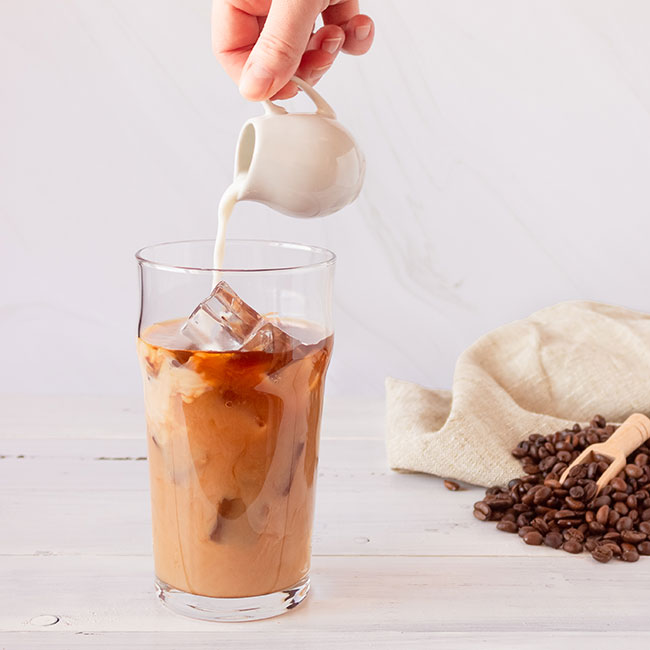
Are you a coffee lover who is working to lose weight? If you’re noticing that your hard work and efforts are being stalled, the answer may lie in how you take your coffee, health experts explain. For many of us, plain black coffee really isn’t our thing, and we might stir in some creamer or sugar to help sweeten it.

Sipping on heavily sweetened, sugary and high-calorie ingredients every morning could contribute to weight gain, and we reached out to doctors, dietitians and nutritionists to learn more about this. Read on for tips, suggestions and insights from Dr. Daniel Boyer, MD, health and nutrition expert at Farr Institute, Dana Ellis Hunnes, PhD, MPH, RD, senior dietitian at UCLA medical center, Trista Best, MPH, RD, LD, registered dietitian at Balance One Supplements, and Lisa Richards, registered nutritionist and creator of The Candida Diet.

75+ Gift Ideas For Everyone On Your Holiday List

Shutterstock

How Heavily Sweetened Coffee Can Stall Weight Loss

Many coffee consumers have a specific way they like their coffee and don’t often veer from that, Best says. “Unfortunately, for those wanting to lose weight, these coffee habits might be stalling their efforts,” he adds. Full-fat dairy creamer and refined sugar are the two coffee habits that are detrimental to weight loss, “especially for those who consume more than 1 cup a day,” she continues. These two ingredients used to lighten and sweeten coffee are “high in calories, fat, carbohydrates and are quite inflammatory.” Not only will the calories add to weight issues, she warns, but the “inflammation they cause or exacerbate can make weight loss more difficult as well.”

Shutterstock

Boyer concurs, and also warns that “processed coffee drinks that may hinder weight loss are creamers and those mixed with artificial sweeteners.” Caffeine with added sweeteners contains a “significant amount of artificial sugars,” he points out, and may “lead to extra calories when taken in excess.” Generally, he notes that coffee creamers also contain calories and saturated fats (2 grams of saturated fat in 1 tablespoon). “Saturated fats are linked to an increased body weight, according to research by the US National Library of medicine, particularly when mixed with added sugars,” he says.

Shutterstock

Hunnes agrees, stressing that many bottled, processed coffee drinks have “added sugars, sweeteners, and fats in them.” (She says to think the creams, syrups, flavors, and colorings such as caramel coloring in a bottled frappuccino, for example). “When you go to your favorite coffee shop, many of the syrups they are added contain a lot of sugar, and that can add a lot of extra calories,” he goes on, saying that you might not even realize how many extra calories a coffee drink can have “A black coffee on its own is zero calories,” Hunnes notes, but the “syrups and creams that are used, and any whipped toppings can make this zero-calorie beverage now closer to 300 or 400 calories,” she adds. “That’s practically a meal,” she says. (Yikes!)

Shutterstock

The Best Ways To Prepare Coffee For Weight Loss

Boyer advises that “taking black coffee—which doesn’t contain any calories—in moderation or with unsweetened plant-based sweeteners like almonds or quick oats” may be the best alternative if you are under a weight management plan. If you do want to sweeten your drink, Hunnes recommends using “non-dairy, unsweetened beverages such as soy or oat milk that are creamy but not sugary and then adding extracts like vanilla or almond and spices like cinnamon and clove.” All of these, she says, “pack a warmth and sweetness without much sugar or calories.” If you do decide to try your coffee “completely black,” Hunnes suggests a “light roast, and cold can help too.”

Shutterstock

Best concludes that rather than sweetening your coffee with full-fat dairy creamers and refined sugar that it’s essential to “opt for natural sweeteners and/or plant-based creamers.” Some plant-based creamers are still high in calories, fat and sugar, she demands, so it is “important to still pay attention to the nutrition label.” By opting for a plant-based creamer, you are removing dairy, which she says can lead to bloating and inflammation for many of us when consumed every morning. “Consider using honey or cinnamon to flavor your coffee rather than refined sugars,” Best recommends, similarly to Hunnes’ note. “These two ingredients are natural, anti-inflammatory, and cinnamon can help boost metabolism and stabilize blood sugar,” she says. “All of which,” Best adds, can improve “weight loss efforts and reduce bloating.” Noted!

Read More