Dine-In Chains That Serve Surprisingly “Gourmet” Food
Not every restaurant needs to win a James Beard Award in order to be considered gourmet. For many, the notion of what constitutes “gourmet” is a subjective opinion as wildly varied as bread baskets and drive-thru preferences. Sure, tasting menus take top billing when it comes to gourmet go-tos and special occasion meals—but you needn’t take out a loan and indulge in a multi-course degustation to experience something refined, comforting, and special. And that’s where dine-in chains come in for many Americans.
Despite having locations spread across the country, some dine-in chains ascend to gourmet glory for all kinds of reasons, be it nostalgia or culinary surprises. Even professional chefs can’t resist the all-American appeal of the comfort food served at some of these places. While certainly not all dine-in chains can be categorized as gourmet, just like fast-food guilty pleasures, these are certain brands that serve surprisingly above-and-beyond cuisine.
For Pace Webb, co-founder and founding chef at sandwich-slinging Daddy’s Chicken Shack in Houston, dine-in comfort is all about nostalgia. “I’ve always been a fan of House of Pies,” he says. “Growing up in Houston, it was a perfect late night spot. My order is always the same to this day: a slice of Bavarian chocolate mousse pie and a side of cottage fries.” Doubling down on nostalgia, Webb says he likes to actually dip his fries in the pie, conjuring memories of another iconic chain. “It’s kind of like dipping fries into a chocolate frosty at Wendy’s. I love that sweet and salty combo.”
According to Joseph LoNigro, executive chef and chief operating officer at Brine in New York City, his gourmet nostalgia skews a bit meatier. His pick? Hillstone, an upscale chain with a proclivity for steaks, burgers, and other burly American fare. “No matter where you are, the food and experience is always consistent, delicious, and special,” he proclaims, adding that his standard go-to order is the Thai steak and noodle salad. “They also make one of the best veggie burgers I’ve ever had—and I’m definitely not a vegetarian.”
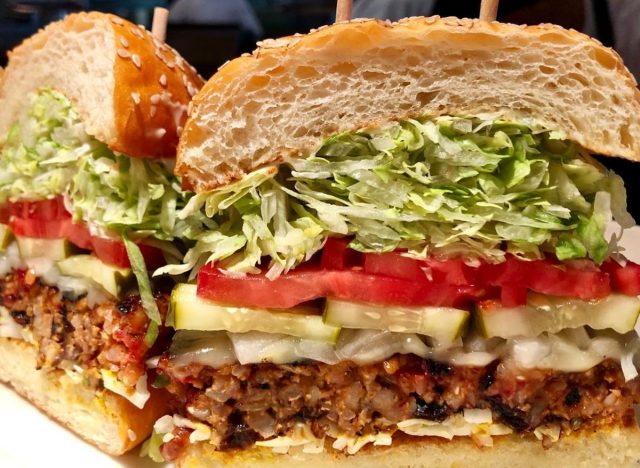
Another steakhouse that can be even more surprisingly gourmet is the Longhorn Steakhouse. That’s per Zac Lennoxcorporate chef for the Houston-based Palacios Murphy restaurant group, who says the key reason is the wood grill.
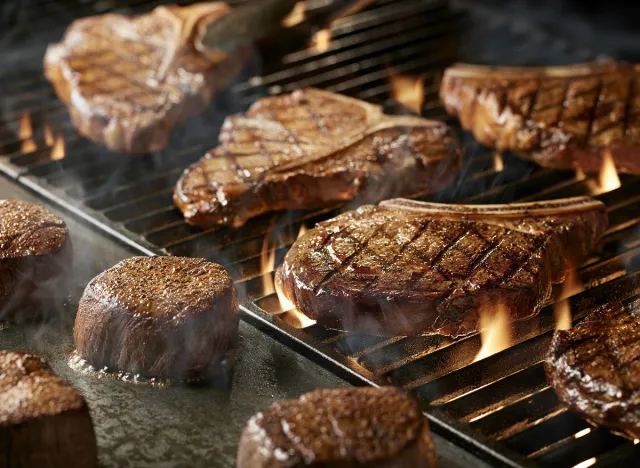
“There is something that just jingles your DNA when you eat meat that has been cooked on a wood fire,” he explains. “For 99.9% of mankind’s existence, if your food was cooked, it was cooked on wood fire. When you get a piece of meat and the smoke is in the juice, it just takes you to another place. It is enjoyment on a cellular , timeless level. Steakhouses are all over the place. You can spend five times the price and not get a steak that is as satisfying as the Longhorn offering. I just think it is underrated, but I don’t mind because I can usually get it a table right away.”
Lennox adds that from a chef’s perspective, cooking over wood fire is tough—and should be respected. “You have to watch the food you are cooking, but you also have to watch the fire. It’s no joke keeping a fire in the ‘Goldilocks Zone’ of not-too-hot and not-too-low for a five-hour service. To keep that fire right and still hit temps on steaks every time? That takes a special kind of someone.”
Longhorn, he says, is that special kind of person, noting that the chain has a “wood grill school” that has been attended before they let employees send food out to guests. “Restaurant chains usually dumb it down to make it easier on themselves, ie broilers, gas grills, sous vide, planchas, etc.” Lennox says. “Super high-end steakhouses usually do not use wood fire because, well, its hard to find cooks who are competent and willing to endure the heat. Longhorn went for it. I applaud their audacity.”
As with other chain-loving chefs, Lennox says it’s important for him not to overdo it with his love for Longhorn, so as to retain the nostalgia and adoration. “I am afraid to go too many times and ruin it for myself. But if I do find myself in the ‘where do I want to go? I don’t know, where do you want to go’ spin cycle with my significant other and we just feel like a well-cooked hunk of meat with no reservation needed, I can’t deny it, Longhorn delivers.”
Matt Kirouac
Matt Kirouac is a travel and food writer and culinary school graduate, with a passion for national parks, all things Disney, and road trip restaurants. Read more about Matt