Slider Image 1 Content

Choose best, Choose tasty
Slider Image 1 Content

Slider Image 2 Content
Here you can showcase the x number of Featured Content. You can edit this Headline, Subheadline and Feaured Content from "Appearance -> Customize -> Featured Content Options".

Source: Tetyana Kovyrina/Pexels
Research over the last decades has made it abundantly clear that what we eat plays a major role in our overall, and especially, brain health. For example, we know that people who eat certain patterns of diet (like the Mediterranean or MIND diets) may be protecting themselves against conditions like Alzheimer’s, dementia, and depression. We also know that inflammation in our brains (driven in part by unhealthy diets) may have the opposite effect. Yet often, it’s tough to make an abrupt change from an unhealthy diet to a healthy one. With this in mind, making some simple food swaps is a great way to ease into a brain-healthy diet. Here are three easy ways to subtract dietary junk in favor of healthier alternatives for your brain.
Most of us have heard that excessive red meat consumption may be bad for our bodies. On the other side of the spectrum, the rising popularity of diets like the “carnivore” diet has others wondering if there are health benefits from eating more meat.
What does the research actually say? Although the picture is somewhat muddy, several larger studies have shown that when it comes to brain function, it’s the processed meat we want to avoid. For example, an observational study of nearly 500,000 people showed that consumption of processed meat (think hot dogs, chicken nuggets, and many deli meats) was linked to a higher risk for dementia, while eating unprocessed beef, lamb, and pork had the opposite effect .
Want to take it one step further? Seafood, especially omega-3 rich fish, like wild salmon, may be even better for long-term brain health. In a meta-analysis of over 30,000 people published in 2022, researchers found people eating more seafood had a significantly lower risk of developing dementia.
One important signal in recent dementia research concerns the connection between metabolic health and brain health. In brain scans of people with dementia, like Alzheimer’s disease, there’s evidence that the brain has trouble using glucose for fuel. This is linked to something called “insulin resistance,” a condition in which our bodies (and potentially our brains) develop problems with blood sugar management.
So how does insulin resistance develop? A major contribution is thought to be the excessive consumption of foods that spike blood sugar, and processed snacks rich in refined carbohydrates (for example, crackers, chips, cookies, pretzel sticks) may do just that. In a study from 2020, researchers found that people who ate afternoon snacks that spiked blood sugar were at a higher risk for developing dementia.
If you want to ditch the refined carbs for something better for the brain, where should you look? One great source of healthier calories and nutrients is nuts and seeds. The studied benefits of nut consumption include better blood sugar control and healthier weight. Nuts are rich in specific fats linked to better brain health. Because of this, it’s been proposed that consistent nut consumption could help offset the risk for brain diseases. Some great options include almonds, walnuts, cashews (technically a seed), and pumpkin seeds.
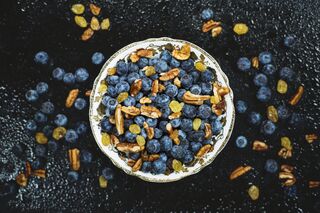
Berries are another great substitute for sweet and processed carbohydrates. They are rich in plant nutrients called polyphenols, which have been linked to better brain health. In addition, berries tend not to spike blood sugar as much as typical refined carbohydrate-based snacks. One amazing example is blueberries, an especially healthy brain snack that can protect brain cells from age-related damage.
In general, we consume far more added sugar than any nutritional organization recommends. For example, the World Health Organization recommends we consume less than 5 percent of our calories from added sugar, yet in the US, that number is closer to 15 percent. Added sugar has been linked to a wide variety of negative health outcomes, including worse brain health, but the evidence here is perhaps most notable for sugary beverages. In addition to the risk for weight gain and metabolic dysfunction, some research suggests that sugary drinks are linked to an increased risk for the development of dementia and depression.
The big reasons we enjoy soda and energy drinks are pretty straightforward: we get thirsty, they taste good, and they often provide a boost of caffeine. So instead of trying a direct swap for basic water, some great alternatives include flavored sparkling waters (when looking for a tasty thirst-quencher) and turning to coffee or tea (both studied for potential benefits to brain function) when you’re looking for an energy pick-me-up.
Cruise food has rarely been thought of as the main selling point of an all-inclusive cruise experience. In fact, cruise food horror stories I’d heard in the past made me shy away from a vacation at sea. But as I prepped for a cruise aboard Virgin Voyages Scarlet Lady, known for its adults-only amenities, I wondered if the cruise line could accommodate more grown up taste buds.
Embarking on the Richard Branson-owned line, I had only one mission in mind: to taste and try food from all 20 dining locations onboard throughout my five-day stay. What are the must-eat items when sailing on Scarlet Lady? That was the question.
Aboard Virgin Voyages Scarlet Lady, there are three main types of dining, all of which are included in the price of your sailing. There are six table-service restaurants on Scarlet Lady, where guests sit down for a dining room experience. Reservations are highly recommended, and each of these restaurants can only be visited once per guest, per sailing. But fear not, reservations can be made directly on the Virgin Voyages app, which makes it super simple to schedule — and swap — breakfast, lunch and dinner plans.
Pink Agave serves a contemporary take on Mexican food, The Wake is a steak and seafood restaurant and Gunbae allows you to play games and make new friends at the dinner table over Korean barbecue. Razzle Dazzle is a vegetarian-forward eatery, Extra Virgin serves home-made pasta and Italian favorites and The Test Kitchen is part cooking school, part restaurant. While all six had something delicious to offer, two stood apart from the rest.
From mole (a popular savory chile sauce) to mariscos (the Spanish word for seafood or shellfish), Pink Agave served a fun variety of dishes that allowed me to try new foods and old favorites. With dishes even my Mexican mother-in-law would approve of, this location brought more to the table than the standard Mexican-American restaurant.
The aguachile (raw seafood tossed in chile water and served immediately) made with fresh ahi tuna was a dish so beloved by my party that we’re on a mission to recreate it at home. With bright acidity from citrus fruits that partially cook the fish, creamy avocado and bite from a bit of red onion, it all comes together atop a crisp corn tostada.
The Test Kitchen was an cannot-miss event for fellow curious eaters, like myself. In the center of the dining area, there’s a large open kitchen where chefs create playful and inventive meals you can’t find anywhere else — and don’t even think of asking for a menu.
In this epicurean adventure, there are six courses, each based around an ingredient, but the dish itself is a complete surprise. This dinner was so much fun to share with my shipmates – each course had us talking as we dove into something completely different and new.
Our courses featured mushrooms, eggs, scallops, venison, blue cheese and chocolate. As an avid blue cheese hater, I was shocked that I even enjoyed the blue cheese mousse, served with expertly-diced pears and candied walnuts.
In addition to formal sit-down restaurants, there are quick-service spots and of course, the all-important cruise line room service. For the more casual dining aboard Scarlet Lady, reservations are neither needed nor accepted, and for room service, all food, drinks and snacks are included for a $5 delivery fee.
The Galley, a high-class food court surrounded by large glass windows can leave sailors overwhelmed with options. Counters are piled with treats and meals as far as the eye can see. From Let’s Taco Bout It to Noodle Around, a ramen bar, the ship covers any type of nosh a guest may crave.
In the morning, my go-to sip was a caramel iced coffee from the Grounds Club, coffee bars located around the ship. Specialty coffees (and alcoholic beverages) were among the only additional charges for food or drink and were worth the price. Alongside my coffee, I typically enjoy the daily quiche from Well Bread, a savory bakery, and a fruit and yogurt bento box from Bento Baby.
In the afternoon, we’d grab sushi from Bento Baby, or thick burgers and fries from Diner and Dash when we returned from excursions, or to snack on while lounging around the pool.
While we couldn’t make it to everyone (we saw you Birch & Rye, Slug, and Mijoté), we did our best to do justice to the 2022 renaissance. From Tenderheart to Damansara, our favorite new restaurant of the year took on flavors from near and far with style and passion—and left us wanting more.
Here are 7×7’s favorite new restaurants of 2022.
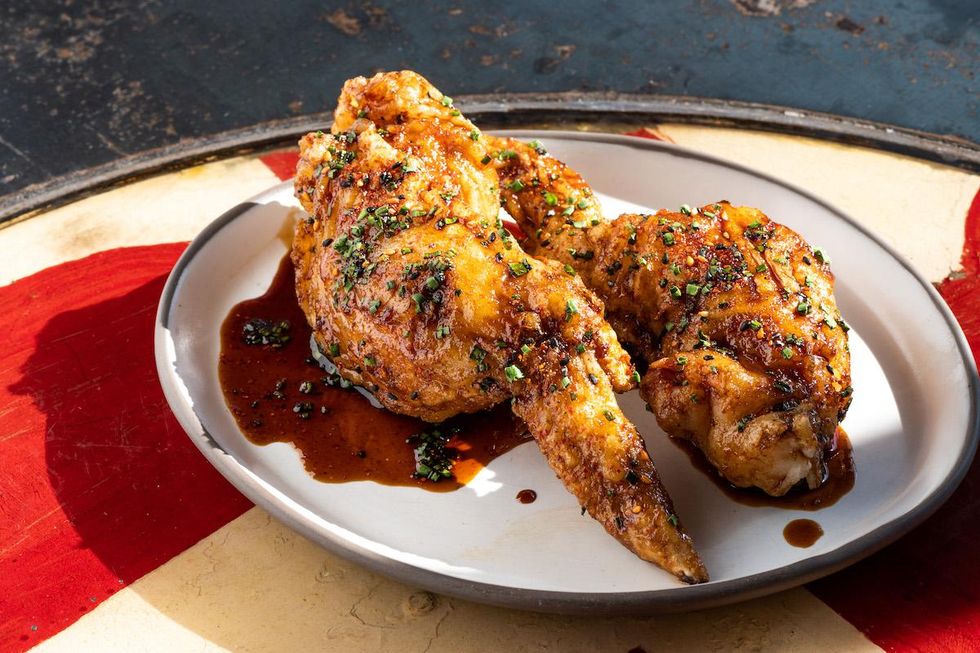 The craveable Good Good chicken wings with garlic rice stuffing and adobe glaze.(Marc Fiority, Gamma Nine Photography)
Good Good Culture Club
Good Good Culture Club, the sophomore effort by chef Ravi Kapur of Liholiho Yacht Club fame, took the city by storm when it opened at the beginning of 2022. Last month, it was named one of Esquire‘s the best new restaurant in the US, and that comes as no surprise to us. With a welcoming space (not to mention one kick-ass roof deck) and dishes like Mom’s Lao sausage, pork belly marinated in aromatic oyster sauce, and whole petrale sole fried two ways with plum chili glaze, Good Good is great (great). // 3560 18th St (Mission), goodgoodcultureclub.com
Tenderheart
The new restaurant inside the stylish Line hotel caught us off guard with its innovative take on California fare. Executive chef Joe Hou reimagines familiar ingredients through the lens of his Chinese-American upbringing to come up with dishes like creamy burrata with nutty, charred salsa macha, fiery pickled gypsy peppers, and crisp wontons; caviar with tiny, perfect English muffins and buttery salted egg yolks; and ribeye with Sichuan peppercorn jus and fried bone marrow. Tenderheart is exciting, sometimes unusual, and so unforgettable. // 33 Turk St. (Tenderloin), thelinehotel.com
Hi Felicia
The chef goes by one name only: Imana. She’s a BIPOC woman in her mid-20s and she totally disrupted the fine dining machine this year with her “vulgar” brick-and-mortar, Hi Felicia. The Uptown Oakland restaurant is a choreographed performance starring Mexican- and Japanese-influenced California comfort fare like tamales made with lavender-scented masa; caviar soup; and raw halibut with miso, cashew slaw, and blue corn tortillas. But it’s not just the delicious food and the campy, playful atmosphere that floors us—it’s the subversive celebration of individuals of every identity coming together over dinner. // 326 23rd St. (Oaklands), resy.com
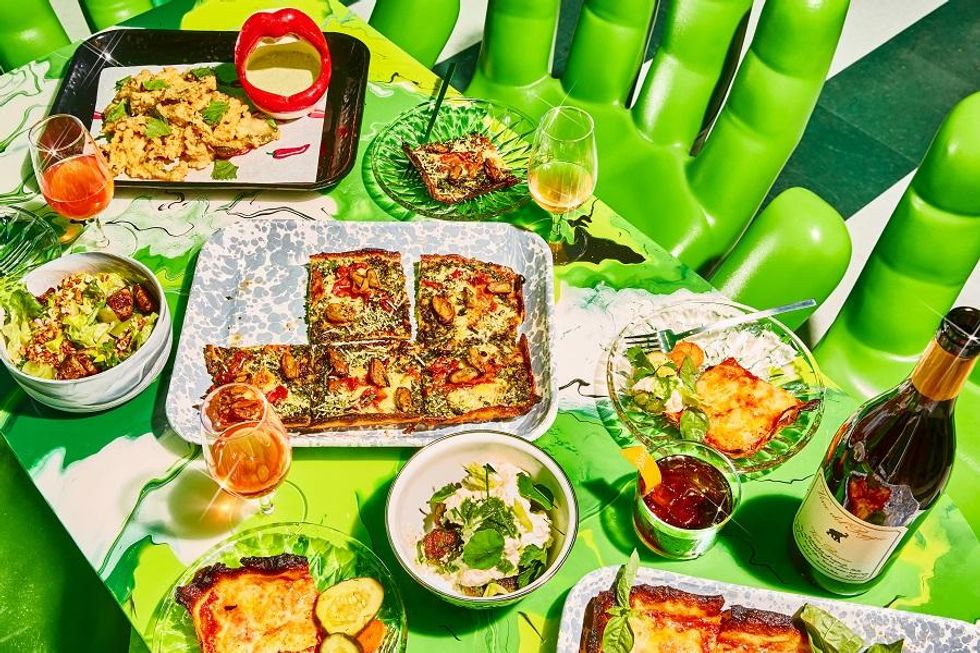 Imperfectly perfect pizzas with a side of funk at Shuggie’s Trash Pies + Natural Wine.(Erin Ng)
Shuggie’s
We love this Mission pizza joint not just for its ooey-gooey pies but for its commitment to sustainability. Brought to life in maximalist yellow-and-green technicolor by the duo behind Ugly Pickle Co., Shuggie’s primary ingredients are blemished and surplus produce, under-used byproducts, meat off-cuts, and bycatch. But don’t go thinking that Shuggie’s is just a gimmicky pizza joint riding the climate change wave. The natural wines and pizzas like the au-gratin-like Dead Combo (salt cod, potatoes, farm eggs, white sauce) and the Sausage Party (guanciale vodka sauce, grape must, sausage, olives) are delicious. // 3349 23rd St (Mission), shuggiespizza.com
Damansara
San Francisco finally has a brick-and-mortar dedicated solely to the culinary heritage of Malaysia. If you ask us, Damansara was worth the wait. The rich scents that pour from the door of Tracy Goh’s low-key Noe Valley restaurant taste as good as you think they will: Dishes include the likes of laksa with two-day coconut broth; achar crew with turmeric pickled veggies, crushed peanuts, pineapple, and tofu; and cereal and salted egg fried chicken. Plus, they’re among the most affordable new eats the city has to offer. // 1781 Church St. (Noe Valley), damansarasf.com
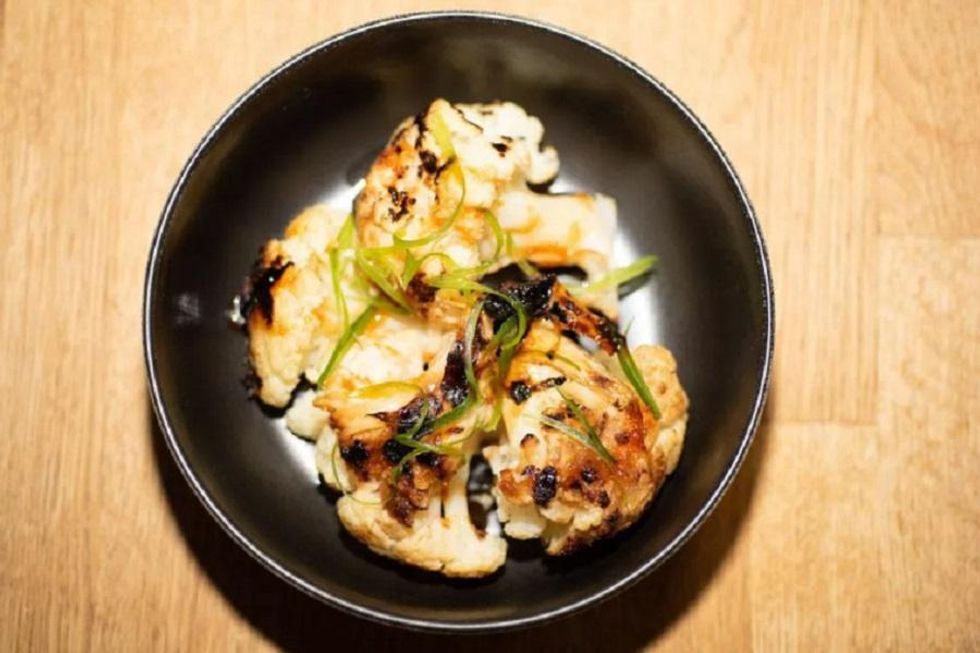 Burned cauliflower with gochujang at Pomet.(Aomboon Deasy)
pomets
It doesn’t get fresher or more local than Oakland’s Pomet, a restaurant launched by second-generation farmer Aomboon Deasy and fired up by Benu and Blue Hill at Stone Barns chef Alan Hsu. His Asian heritage whispers through a menu that includes seasonal produce from family farms in dishes like crispy Liberty duck leg with gochujang and pickles; ugly mushroom filled pasta with corn miso butter; and McFarland trout with celery root, beans, and grapes. Housed in a Julia Morgan original, the cozy restaurant is a delight, a welcome reminder of our Bay Area bounty. // 4029 Piedmont Ave. (Oaklands), pomet-oakland.com
Handroll Project
Handrolls are having a moment in the Bay Area and the Handroll Project is leading the pack. Brought to the Mission by the team behind Michelin-awarded Jū-Ni, executive chef Geoffrey Lee crafts taco-shaped rolls like salmon and sesame with ikura and bonito flakes; smoked hamachi with shiso and Japanese green onions; and creamy scallops with miso aioli and avocado in a minimalist, light-bright space. Order a la carte or go for sets of five, seven, or 10 rolls for